Watch the video

Seen already


EGA announced a 170,000-tonne secondary aluminium recycling facility launching in Q1 2026 — signalling the GCC's commitment to closing the aluminium loop and meeting ESG targets. Secondary aluminium from scrap requires 95% less energy than primary smelting. We supply the equipment chain for scrap sorting, preparation, melting, and refining.
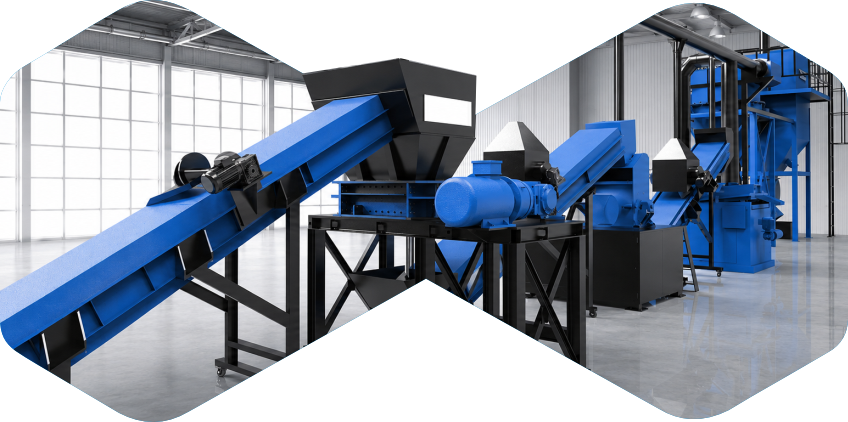
Secondary aluminium processing is more complex than primary smelting from a metallurgical standpoint — scrap chemistry is variable, and alloy quality depends on the entire process chain. We source equipment from manufacturers who understand these constraints, not generic metalworking machinery suppliers.
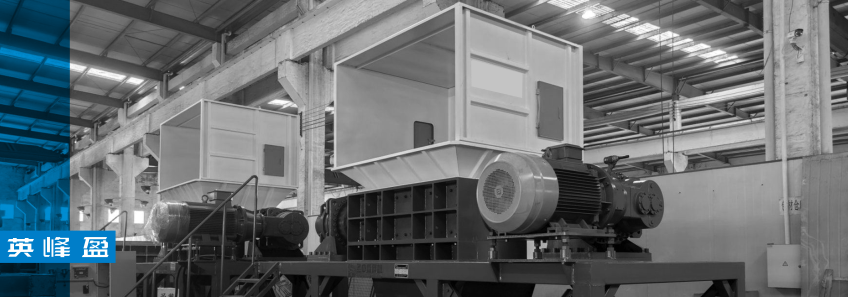
Yes — UBC processing lines including shredding, de-coating, and melting are available from specialist recycling equipment manufacturers.
Yes — salt slag processing plants that recover aluminium and recycle the salt flux are available, reducing landfill and recovering value from the process byproduct.
With appropriate pre-processing and alloy management, secondary aluminium from sorted scrap can meet casting alloy specifications; high-quality wrought alloy from mixed scrap requires more advanced sorting and processing.
If you have any questions, get a consultation from our manager.