Watch the video

Seen already

Equipment arriving for a multi-site project, or cargo that needs to move on to other GCC markets, often needs a staging point inside the UAE rather than direct delivery straight from the port. We use bonded and free zone warehousing — most commonly in Jebel Ali Free Zone (JAFZA) — to receive, sort and either store or cross-dock cargo before it moves to its final destination.
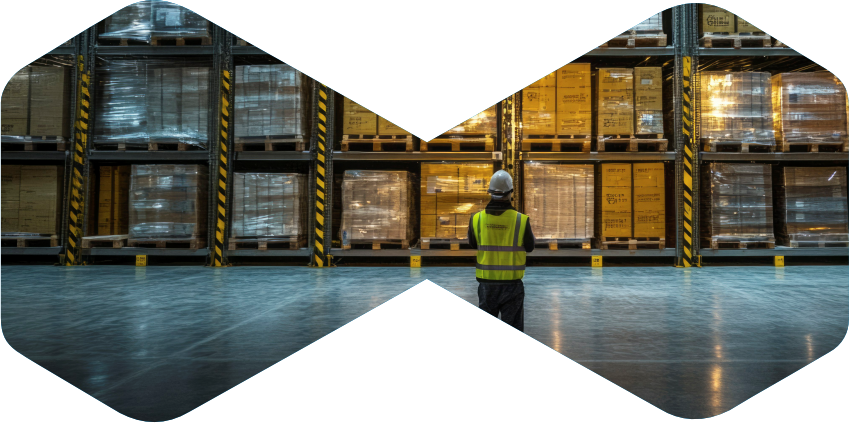
The free zone location matters beyond convenience: cargo held in a bonded free zone warehouse does not trigger UAE import duty until it actually leaves the zone for the mainland, and the same facility is a practical staging point for cargo being re-exported onward to other GCC countries without ever clearing UAE customs for home consumption. For project cargo split across several sites, this is also where a single large delivery gets sorted into site-specific batches.
Keeping cargo in a free zone warehouse rather than clearing it onto the mainland immediately gives the client room to decide — the final distribution plan does not have to be finalised before the cargo even lands in the UAE. For projects with sites in more than one GCC country, the same facility lets us sort and re-export without routing cargo through a full UAE import cycle it does not actually need.
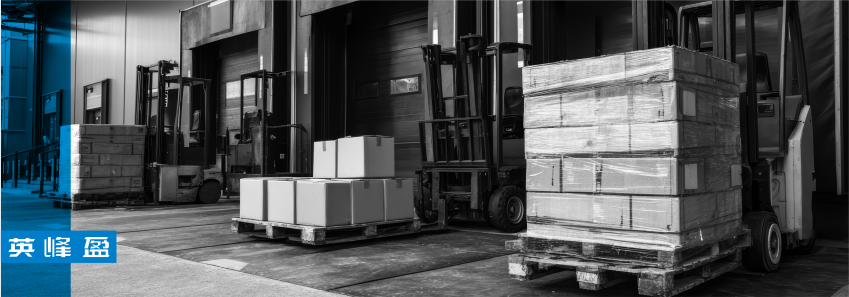
No — cargo remains outside UAE customs territory for duty purposes while it is held within the free zone; duty becomes due only if and when it moves onto the UAE mainland, which is why free zone warehousing is also used as a staging point for re-export to other markets.
Yes — this is one of the main reasons to use a free zone warehouse for multi-site projects: one larger, more cost-efficient shipment arrives, and we sort it into site-specific batches for onward delivery once it is in the warehouse.
If you have any questions, get a consultation from our manager.