Watch the video

Seen already


Heavy-lift and breakbulk equipment is at its most vulnerable the moment it is lifted off the vessel at the port of discharge — Jebel Ali, Khalifa Port, or another UAE terminal — and set down on the quay. An independent survey at this exact point records the condition of the cargo before and after discharge, which is the evidence that actually determines who is responsible if damage is found.

Without an independent record taken at the moment of discharge, a damage claim almost always becomes a dispute about when the damage occurred — during ocean transit, during the lift, or afterwards on the quay — with the carrier, the terminal operator and the insurer each pointing to a different stage. A survey conducted at the point of discharge removes that ambiguity for the specific handoff that carries the highest risk.
We treat the port discharge as a distinct risk event rather than part of a generic port handling service, which is why we attend it specifically rather than relying on the terminal's own handling report. That independent record is what gives a damage claim a clear, evidence-backed starting point instead of becoming a dispute about which party's equipment or process was actually at fault.
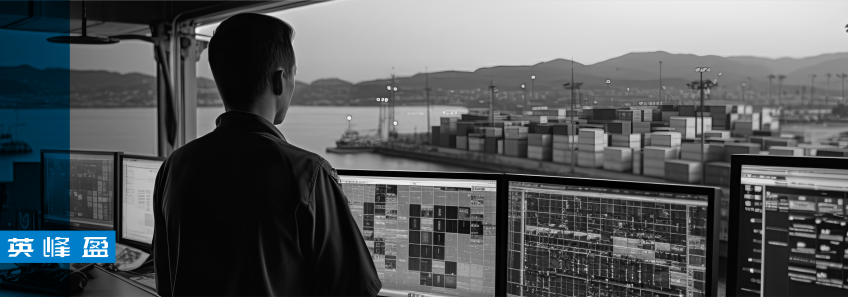
The survey is typically arranged as part of the logistics service for the shipment, and its value lies in speed and certainty of claims resolution — an independent, time-stamped record of condition at the point of discharge is usually the deciding evidence when an insurer or carrier assesses a damage claim.
A discharge survey record showing the cargo was undamaged at the port strengthens a claim against whichever party handled it afterwards, which is why having that baseline record matters even if the damage is only noticed later in the chain.
If you have any questions, get a consultation from our manager.